
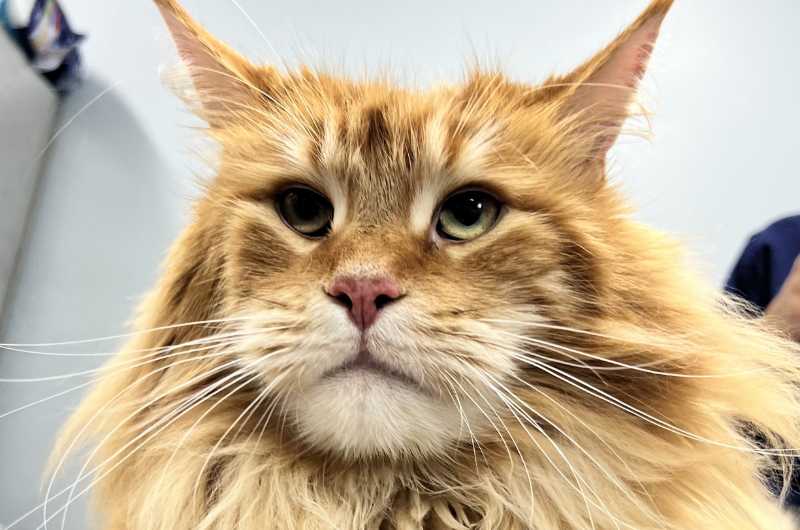
When the Weather Gets Colder, Our Senior Pets Feel It Too
December brings festive lights, cozy gatherings, and cooler temperatures — and while many of us welcome the change in season, our senior pets often feel winter very differently. Arthritis stiffens, muscles tighten, old injuries ache more easily, and even mild cold exposure can reduce comfort and mobility.
At Brentwood Veterinary Center, we see every winter how important this season is for aging dogs and cats. Many families notice that their pets rise more slowly, hesitate on stairs, sleep more, or seem quieter than usual — all signs that colder temperatures can be affecting joint health and overall comfort.
Understanding how to support senior pets during winter can make a meaningful difference in their quality of life — helping them stay comfortable, active, and happy through the holidays.
How Cold Weather Impacts Aging Pets
As pets age, their bodies become less efficient at maintaining warmth and joint flexibility:
• Joint cartilage becomes thinner, making arthritis pain more noticeable
• Circulation slows, causing stiffness in muscles and limbs
• Reduced muscle mass means less joint support and stability
• Thinner coat and body condition reduce insulation against cold
• Circulation slows, causing stiffness in muscles and limbs
• Reduced muscle mass means less joint support and stability
• Thinner coat and body condition reduce insulation against cold
Even indoor-only pets aren’t immune to winter discomfort — cooler floors, drafts, and lower household humidity all affect senior pets just like outdoor cold does.

Common Winter Changes You May Notice
Pet parents often observe seasonal changes such as:
• Slower movement or reluctance to climb stairs
• Difficulty rising after naps
• Increased sleeping or decreased play
• Limping or occasional soreness after walks
• Sensitivity to colder surfaces or tile floors
• Difficulty rising after naps
• Increased sleeping or decreased play
• Limping or occasional soreness after walks
• Sensitivity to colder surfaces or tile floors
While many of these signs stem from chronic arthritis or muscle loss, winter temperatures can exaggerate existing discomfort, making proactive care especially important during this season.
What We Commonly See in the Clinic During Winter
Each winter, our team sees an increase in senior pets experiencing:
• Arthritis flare-ups
• Post-injury stiffness
• Worsening joint pain
• Muscle tightness leading to fatigue or reluctance to move
• Post-injury stiffness
• Worsening joint pain
• Muscle tightness leading to fatigue or reluctance to move
When these discomfort patterns are recognized early, pets often show meaningful improvement — remaining more active and comfortable through the colder months.

How Veterinary Rehabilitation Can Support Senior Pets
At Brentwood Veterinary Center, our approach to senior care follows current veterinary rehabilitation science and AAHA standards — combining preventive medicine, comfort management, and mobility support to help aging pets stay active longer.
Therapy options may include:
• Medical manipulation to support joint movement and alignment
• Laser therapy to ease inflammation and improve circulation
• Shockwave therapy for chronic soft tissue discomfort
• MagnaWave therapy to promote muscle relaxation and blood flow
• Acupuncture for neurologic balance and holistic comfort care
• Laser therapy to ease inflammation and improve circulation
• Shockwave therapy for chronic soft tissue discomfort
• MagnaWave therapy to promote muscle relaxation and blood flow
• Acupuncture for neurologic balance and holistic comfort care
These services may also be supported by:
• Pain management protocols tailored to each patient
• Healthy weight guidance to reduce joint strain
• Individualized exercise and stretching plans
• Healthy weight guidance to reduce joint strain
• Individualized exercise and stretching plans
Care plans are always customized based on each pet’s specific medical needs.

Practical Winter Comfort Tips for Pet Owners
Small home changes can have a big impact on your senior pet’s well-being:
Keep Pets Warm
• Use orthopedic or heated beds
• Add rugs or mats over slippery floors
• Keep resting areas away from cold drafts
• Dress thin or short-coated dogs in sweaters outdoors
• Add rugs or mats over slippery floors
• Keep resting areas away from cold drafts
• Dress thin or short-coated dogs in sweaters outdoors
Encourage Gentle Daily Movement
• Maintain short, consistent walks
• Warm joints gently before activity
• Encourage light indoor play
• Warm joints gently before activity
• Encourage light indoor play
Daily movement helps joints stay lubricated and muscles supportive — even during cold or busy days.

Watch Paw & Nail Health
Untrimmed nails strain joints and alter walking posture, while winter dryness can cause cracked paw pads. Routine nail trims and pet-safe moisturizers protect balance and comfort.
Prevent Holiday Weight Gain
Extra pounds place significant stress on aging joints. Limit calorie-dense treats and opt for veterinary-approved snack alternatives when possible.
Preventive Winter Wellness
Winter is an ideal time for senior wellness assessments.
These visits allow your veterinary team to:
• Monitor arthritis or mobility progression
• Adjust comfort and pain management strategies
• Screen for age-related health concerns
• Review nutrition and supplements
• Assess muscle tone and gait changes
• Adjust comfort and pain management strategies
• Screen for age-related health concerns
• Review nutrition and supplements
• Assess muscle tone and gait changes
Compassionate, Patient-First Care
At Brentwood Veterinary Center, our focus is always comfort, dignity, and transparency. We prioritize:
• Clear, thoughtful communication with families
• Evidence-based care recommendations
• Individualized support plans for every patient
• Evidence-based care recommendations
• Individualized support plans for every patient
Our goal is to help pet owners recognize comfort changes early and provide guidance rooted in compassion and proven veterinary medicine.
Supporting Our Community’s Senior Pets
Senior pets represent years of love and loyalty. Supporting their comfort through winter is one way families can give back to the pets who have given so much all year long.
Whether through small home adjustments or veterinary guidance, your Brentwood team remains committed to walking alongside your pet through every stage of life.
A Gentle Wellness Reminder
If you notice changes in your senior pet’s comfort, movement, or activity level this winter, a wellness conversation with your veterinary team can offer clarity and customized care guidance.
Internal Links to Add
Please link to:
• Rehabilitation Services
• Senior Pet Care Resources
• Wellness Exams
• Pain Management Services
• Senior Pet Care Resources
• Wellness Exams
• Pain Management Services